We are big fans of e-bikes, and we continue to champion programs and policies that make e-bikes safe and accessible to all. Electric bicycles allow more people to ride bikes, for further distances, and for more purposes. E-bikes (including adaptive and cargo e-bikes) can help more people commute by bike, carry groceries or other cargo (like kiddos!), or ride more and with more comfort and ease than a regular bicycle. E-bikes come in all shapes and sizes, from two-wheeled bikes to trikes to cargo e-bikes with large baskets in the front.
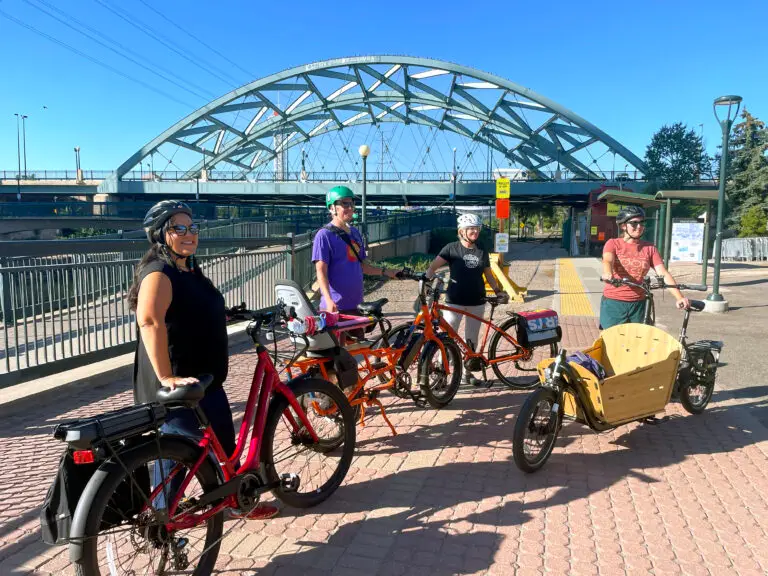
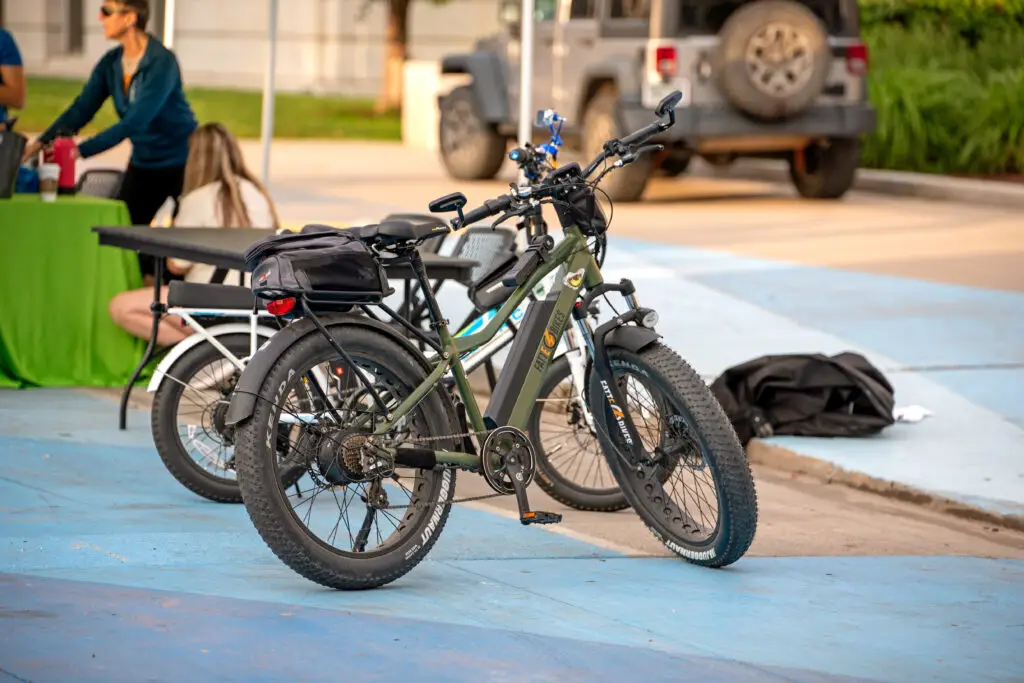
An e-bike is a bicycle that has a battery and a small electric motor (750 watts or less) to propel the bike or assist the rider in propelling the bike forward. In Colorado, electric bicycle riders are exempt from motor vehicle registration and license requirements.
By law, e-bikes in Colorado have three classes defined by their assisted speeds and whether they are pedal-assist (Class 1 and 3) or throttle-powered (Class 2). E-bikes must be labeled with all classes or the highest class they can achieve.
An electric bicycle that only provides assistance when the rider is pedaling; the motor ceases at 20 miles per hour (mph).
An electric bicycle that provides assistance regardless of whether the rider is pedaling; the motor ceases at 20 mph.
An electric bicycle that provides assistance only when the rider is pedaling; the motor ceases at 28 mph. Class 3 electric bicycles must have a speedometer.
Source: Section 42-1-102 (28.5), C.R.S.
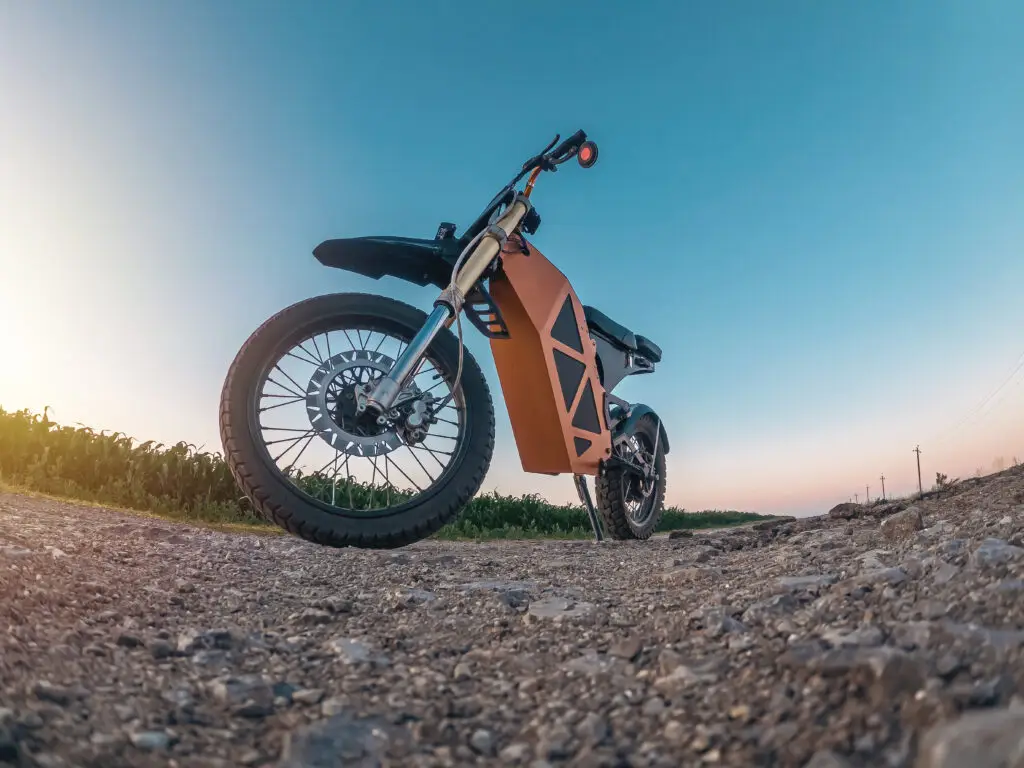
You may have seen people riding vehicles that resemble e-bikes—with two or three wheels and possibly pedals—but clearly exceed the speed and motor limits defined by the three-class e-bike system.
These are not e-bikes. They are more accurately classified as electric mopeds, electric motorcycles, or e-motos.
With Bicycle Colorado’s support, our state has taken steps to strengthen legal e-bike definitions to try to ensure that out-of-class electric vehicles are not advertised, sold, labeled, or regulated as e-bikes.
Household motor vehicle trips are one of the largest sources of transportation emissions in the U.S. In 2017, about 75% of these trips were 10 miles or less. For short to medium distances like these, e-bikes offer a powerful solution for both mobility and reducing emissions.
Unlike traditional bikes, e-bikes make it easier for more people to ride—whether it’s going farther, tackling hills, carrying groceries or kids, riding at an older age, or accommodating mobility challenges. And every e-bike trip helps shrink your carbon footprint
Source: Colorado Energy Office
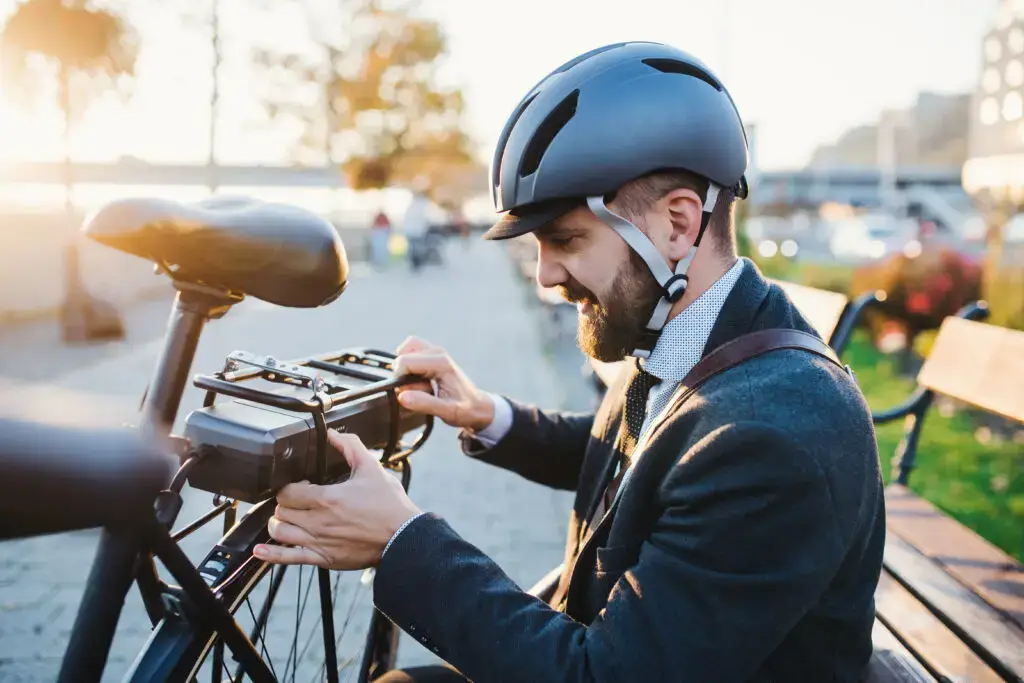
Bicycles with lithium-ion batteries require proper charging and storage to both maximize the life of the battery and ensure safety. Here are some general tips for e-bike riders:
Visit https://www.call2recycle.org/e-bikes/ for more information on e-bike battery charging, storage, and disposal.
The higher initial cost of an e-bike compared to a traditional bike can be a barrier for many interested riders. The state of Colorado, along with various municipalities and utility companies, has been actively developing incentives and rebate programs to make e-bikes more accessible.
As e-bikes grow in popularity, education is essential to ensure their safe and responsible use. E-bike educational resources can help all riders, whether you are thinking about getting an e-bike or you’ve already started riding and you want to improve your knowledge and skills.

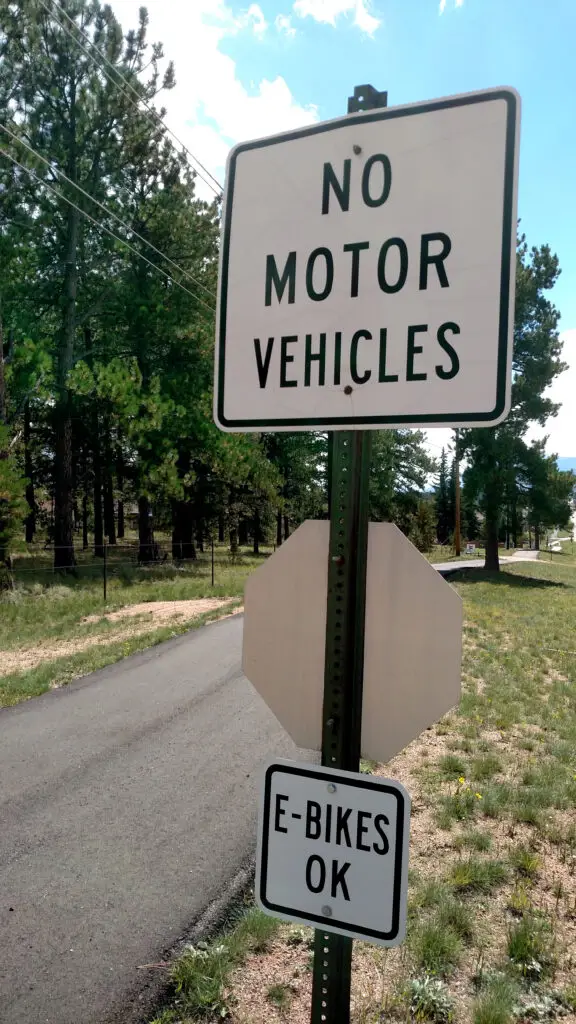
In many ways, Colorado is leading the way in e-bikes. You can learn more about the history and success of e-bikes in Colorado.
Enter our Fall Raffle 2026 for a chance to win a Custom Zinn titanium road, gravel, or hardtail mountain bike valued at $8,950.