E-bike use has increased dramatically in Colorado since we became the fourth state in the country to adopt the three-class e-bike system in 2017. Since then, academic research and input from our supporters make clear that e-bikes have delivered significant health, climate, and economic benefits to communities across Colorado and the country. Countless riders of all ages and physical abilities tell us their e-bikes have led them to bike again, or more often, for recreation and everyday trips.
As more people ride e-bikes, and as more people ride other high-powered electric devices, including some that resemble e-bikes, safety concerns have increased. These safety concerns are legitimate.
Our team is working to address these concerns without restricting access to legal e-bikes or diminishing the many benefits they provide. More specifically, we want to avoid state laws and local policies that dramatically restrict access to e-bikes for all riders, as we unfortunately saw recently in New Jersey.
Our 2026-2027 E-bike Safety Strategy plan is designed to address the safety concerns associated with e-bikes and other high-powered devices. This plan will evolve as we learn what works and community needs change.
Last updated October 26, 2026.
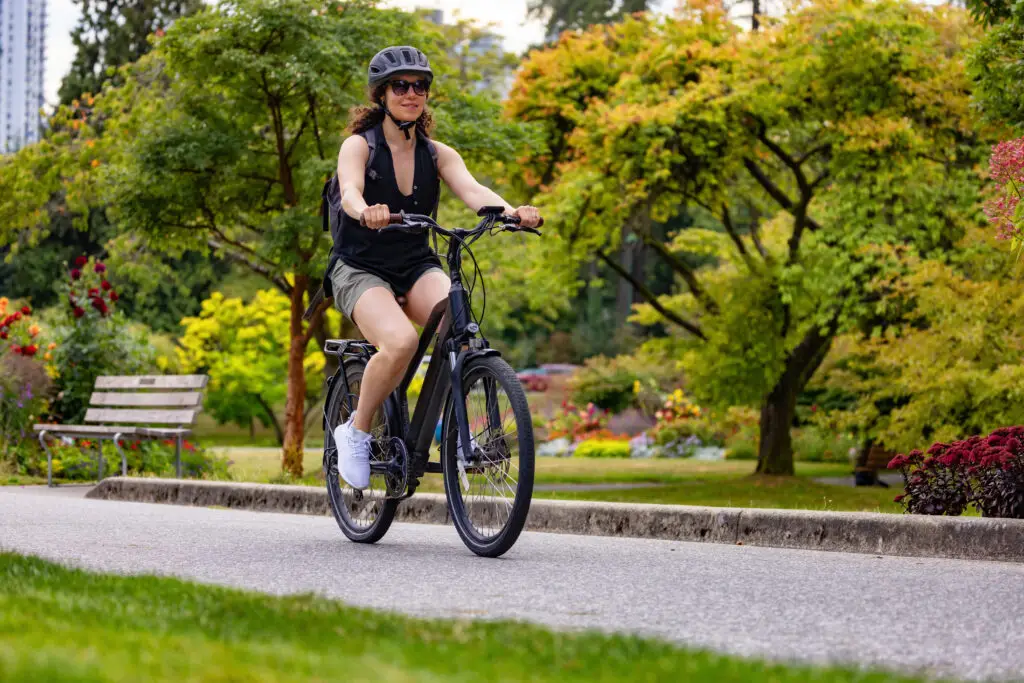
Improving safety will require multiple strategies and a collaborative, community-wide effort involving local businesses, schools, non-profits, and government. Bicycle Colorado is well positioned to lead statewide policies and programs and support and amplify local efforts.
Strategy 1: Pass one or more state laws that crack down on the illegal operation of “e-motos” and that promote safe e-biking.
Strategy 2: Support local governments that are adopting safety ordinances.
Strategy 1: Create a self-directed, no-cost digital e-bike safety course available to the public.
Strategy 2: Curate the highest quality public service announcement materials and share them with communities in Colorado. Collaborate with other organizations to create and distribute these materials.
Strategy 3: Continue hosting virtual public webinars to discuss progress implementing this plan and lessons learned in Colorado and other states.
Strategy 4: Continue hosting virtual meetings with local Colorado safe streets advocacy groups to discuss the progress implementing this plan and share best practices.
Strategy 1: Collaborate with the Colorado Attorney General to enforce House Bill 25-1197, which makes it illegal for brands and retailers to market “e-motos” as e-bikes.
Strategy 2: Support law enforcement and other organizations by sharing proven tactics to hold people accountable for riding illegal devices, riding devices where prohibited, or violating traffic laws.
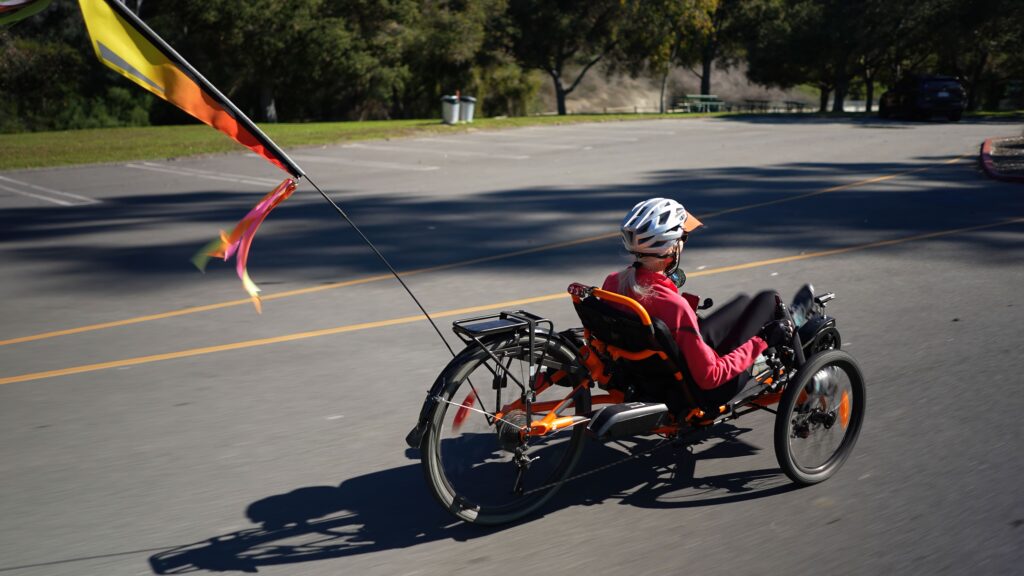

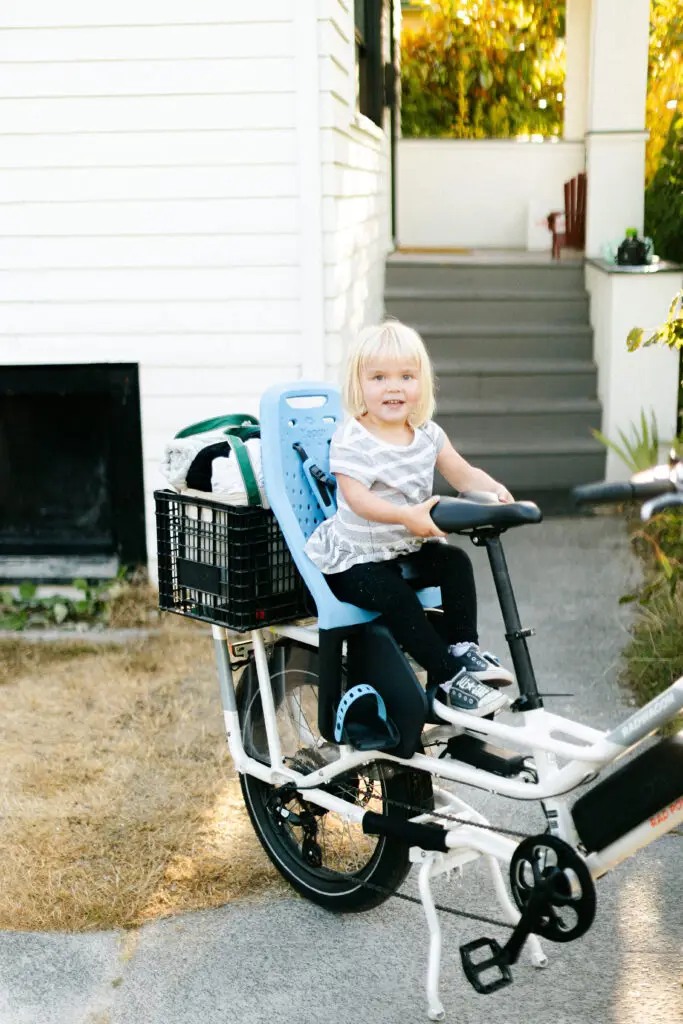
After studying safety concerns, we identified three main forces contributing to safety concerns:
Examples:
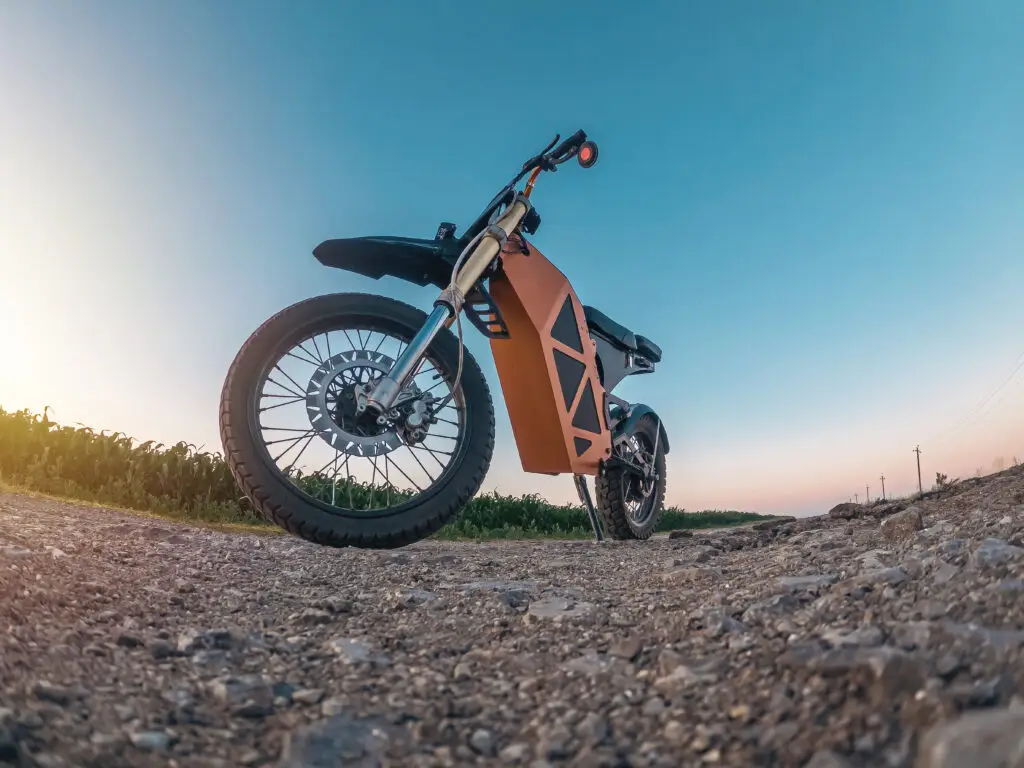
Examples:
Examples:
We most often hear a scenario involving all three drivers: a teenager riding an “e-moto” on a multi-use path and traveling above the posted speed limit.
Of these drivers, people riding high-powered electric devices commonly called “e-motos” pose a much greater safety risk than people riding legal class 1, 2, or 3 e-bikes.
See Appendix A for statutory definitions of class 1, 2, and 3 e-bikes. See Appendix B for statutory definitions of other devices
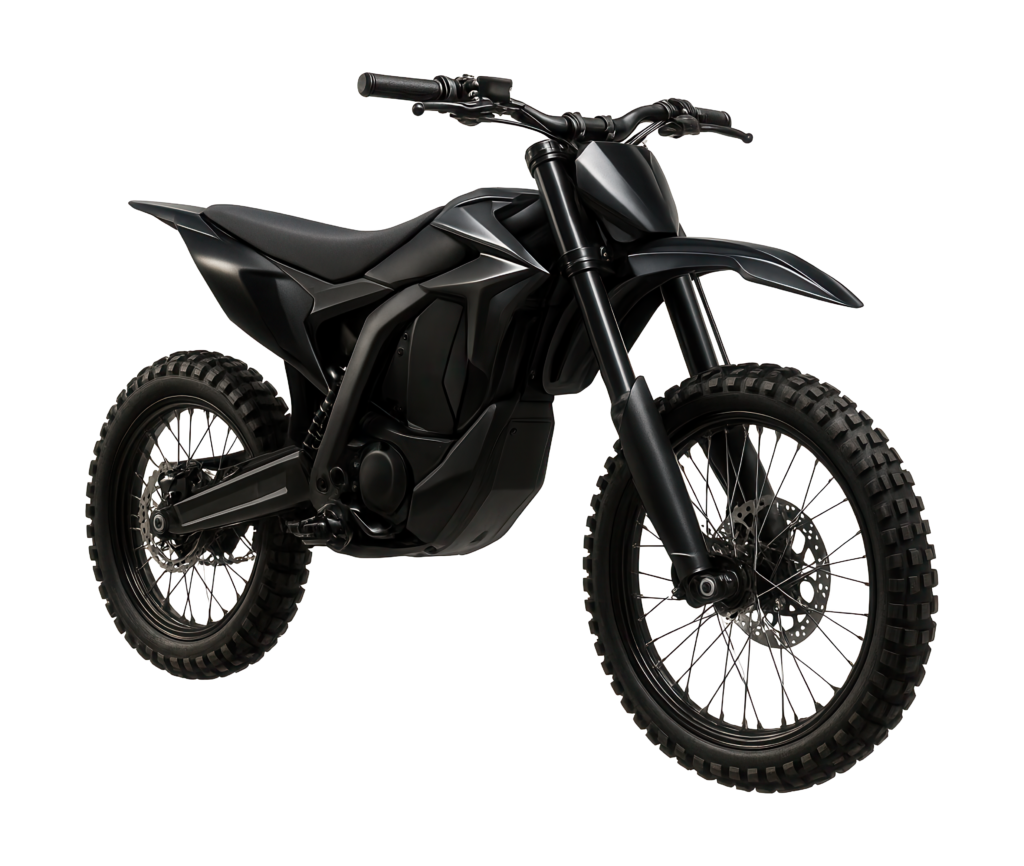
To design effective solutions, we needed to understand the root causes, so we asked, “Why?”—for example, why are some teenagers riding “e-motos” on multi-use paths and traveling at excessive speeds? Below are the top root causes we identified:
Improving safety will require multiple strategies and a collaborative, community-wide effort involving local businesses, schools, non-profits, and government. There is no silver bullet.
Bicycle Colorado is well positioned to lead statewide policies and programs and to support and amplify local efforts. We will also support federal work as requested and as bandwidth allows. Our 2026-2027 strategies are organized into three categories: State Laws and Local Policies, Knowledge, and Accountability.
One important note: We strongly believe physical infrastructure, such as bicyclist and pedestrian paths, bike lanes, signs, and lighting, profoundly affects whether people remain safe. In fact, expanding bike and safe streets infrastructure is included in our long-term strategic plan, and we’ve focused on it over the decades; however, because this is a shorter-term plan and infrastructure improvements tend to take longer, you will not see infrastructure in this plan.
Timeline: May 2026-May 2027
The rise in use of high‑powered electric devices (i.e., “e-motos”) has created real safety and regulatory problems. These devices are not class 1, 2, or 3 e-bikes, and they don’t clearly fit the statutory definitions of other road vehicles in Title 42, such as a “motor vehicle,” “low-powered scooter,” or “motorcycle.” Although some high-powered electric devices fit the definition of an “off-highway vehicle” in Title 33, many do not. The result is a class of vehicle that cannot be lawfully registered and yet is not clearly prohibited. This lack of clarity creates confusion—many people incorrectly believe they are buying or riding an e-bike.
Key components of the bill include defining high-powered electric vehicles in state law, clarifying where these devices can be operated, and creating a pathway for qualifying devices to be legally operated on public roads. Additional details on this bill are available here.
Bicycle Colorado is also evaluating the following concepts for the 2027 legislative session, which could result in a second bill:
As mobility devices continue to evolve, we are also broadly evaluating e-bike and micro mobility statutory definitions and regulations and exploring ideas to advance rider and driver education both in schools and through the driver’s education and testing process. These concepts may comprise a bill in 2028 or beyond.
At least one new law is passed that promotes e-bike and ”e-moto” safety and does not undermine the benefits of legal e-biking (i.e., avoid a New Jersey-type law).
Timeline: June 2026-December 2027
Over the past year, several local governments have adopted ordinances to address “e-motos” and improve e-bike safety. Other towns and cities are discussing local ordinances. As with state legislation, these ordinances should promote safety without unnecessarily restricting access to legal e-bikes; not all draft ordinances do this.
Our team will:
All local ordinances complement state law, promote safety, and do not restrict access to legal e-bikes.
Sample of feedback provided to a local government.
Timeline: October 2026-December 2027
Timeline: Ongoing 2027
There is a growing body of quality materials (e.g., videos, social media posts, digital and print flyers, trail signs) that educate the public on a range of topics related to “e-motos” and e-bikes, such as choosing the best e-bike for the rider, where devices are allowed, and safe riding behaviors. This strategy focuses on identifying the highest quality materials and making them easily accessible to the public. We will curate or create the highest quality public service announcement materials from across the country and share them with communities in Colorado. Collaborate with other organizations, including state agencies such as the Colorado Department of Transportation, the Colorado Energy Office, and school districts to create and distribute these materials.
Timeline: Meetings will be held in December, March, June, and September
Timeline: Meetings will be held in December, March, June, and September
Timeline: August 2026-Spring 2027
Many consumers—including parents—are led to believe they are buying an e-bike when the device is closer to a motorcycle.
Timeline: Ongoing 2027
Accountability matters, especially for the small segment of the population that willfully violates the law. Enforcing laws can be tricky—for example, because of public safety concerns, most officers want to avoid chasing riders who evade pursuit. Efficient, effective, and safe ways exist to hold people accountable.
Law enforcement agencies in the top ten most populous counties in Colorado (El Paso, Denver, Arapahoe, Jefferson, Adams, Douglas, Weld, Larimer, Boulder, Pueblo) have the knowledge and resources to create a viable plan to promote e-bike and “e-moto” safety (End Q2:2027).
Addressing e-bike and “e-moto” safety in Colorado will take sustained effort across multiple fronts—no single law, education course, or enforcement action solves this alone. However, by pursuing strategies in each area and facilitating collaboration among governments, nonprofits, and other organizations, we believe we can keep e-bikes accessible to Coloradans while addressing the safety concerns created by high-powered devices such as “e-motos.” This is a living plan: we will report on our progress at our quarterly webinars (December, March, June, and September), adjust our approach as we learn what works, and welcome input from local advocates, agencies, and communities along the way.

Please contact us to learn more about this strategy and how we believe Bicycle Colorado is well positioned to lead on this statewide strategy for safer streets for everyone.
Peter Piccolo
Bicycle Colorado Executive Director
pete@bicyclecolorado.org